Digital signature with legal validity for the digitization of transport transactions
100% Digital Transport. 100% Paperless Transport
12 Feb 2020



The digital signature is an increasingly frequent procedure in the daily management of companies. It is used so that, in a secure and encrypted way, documents can be signed digitally and are just as valid as if they had been signed in person.
A digital signature is a specific technical implementation of electronic signatures through the application of cryptographic algorithms.
Thanks to its inclusion, speed and problem resolution, its implementation procedures have been streamlined and it also allows organizations to develop the paperless system.
According to the National Institute of Statistics, 7 out of 10 companies in Spain use digital signatures, both in their informative and commercial communications.
Spain began to implement the first legislation in 2003 on Digital Signature (Law 59/2003, on electronic signature) to regulate the electronic signature, its legal effectiveness and the provision of certification services. And from here they have been developing little by little in Spain and in different sectors such as transport.
The digital signature allows to comply with the most demanding legal requirements by offering the highest levels of security on the identity of each signatory and the authenticity of the documents.
This system has digital IDs based on valid certificates that come from accredited suppliers and has the ability to operate solely through the mobile device without the need to use paper in their itineraries, turning the entire process into a 100% digital flow.

Among the countless advantages of digital signatures, four characteristics stand out above the rest: agility and speed in the processes, security, paper reduction and cost savings.
The digital signature also allows companies to develop the paperless system, a concept that has been possible to apply in organizations thanks to the digital transformation that the business sector is undergoing.
To adapt to this paper reduction, it is important for companies to understand that reducing the use of physical documents implies an improvement in the time required to organize, classify, store and transport files.
It has also enabled organizations to reduce the use of paper for environmental and economic reasons. More and more organizations are making a commitment to social development and environmental protection. In fact, the latter has become a fundamental pillar of the Corporate Social Responsibility (CSR) of companies.
The digital signature in the transportation sector is a great advance that allows flexibility and guarantee in the management, being essential the level of customer satisfaction in all actions performed. With it, security is armored.
#DigitalizeYourTransportProcesses

Marketing Manager at FIELDEAS



05 Feb 2026
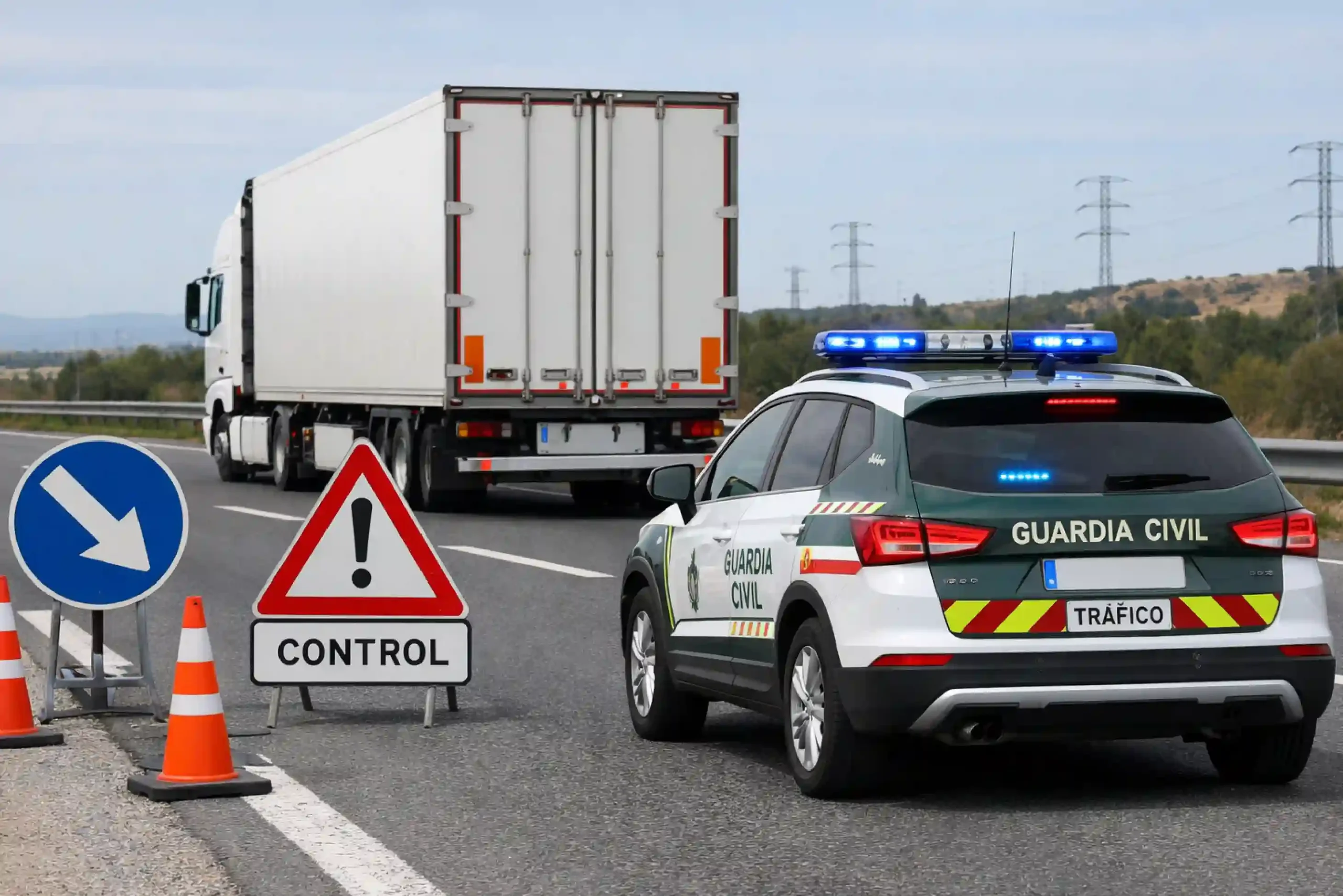
In-transit verification of the Digital Control Document for road transport; what should be taken into account?
The Digital Control Document for road transport represents a breakthrough in terms of efficiency, traceability and security. However, it also generates doubts and concerns, especially due to the fear of…
29 Jan 2026
Frequently asked questions (FAQs) on road transport documents
Numerous road transport documents are used in day-to-day road freight transport: control document, consignment note, CMR, delivery note, stowage form, waybill… All of road transport documents are relevant, but not…

23 Jan 2026
No-code electronic form: efficiency for companies with field operations
For companies operating in the field, achieving high levels of efficiency and competitiveness is an additional challenge, as digitizing processes becomes even more relevant. In this scenario, the electronic form…

22 Jan 2026
Comprehensive digitization of road transport documents: mandatory vs. strategy
The management of road transport documents is going through a key moment. The arrival of the mandatory digitization of the Control Document in October 2026 opens the door to the…