Presentation of the study on the “Degree of Implementation of eCMR in Spain”
September 25, 2024, 12:00 p.m.
05 Sep 2024


For the first time, a detailed study has been prepared that addresses the degree of implementation of eCMR in Spain.
The Spanish Logistics Center (CEL) and FIELDEAS have joined forces to make this possible, in collaboration with the International Road Transport Association (ASTIC), Transprime Spanish Shippers’ Council, European Shippers’ Council (ESC) and Global Shippers’ Alliance (GSA).
This study has been carried out with the results of a survey in which 139 logistics directors, managers and other profiles of the sector participated, focusing on loading companies, logistics operators and transport companies.
In addition, two focus groups were held in Madrid and Barcelona with some twenty managers of companies in the sector to examine and address the key issues identified in the survey.
The main objective of this study is to provide the industry with real figures on the degree of adoption of the electronic consignment note in Spain, as well as to define the main drivers and stoppers for its implementation.
All this by actively listening to the different companies (loaders, operators and carriers) in the sector and with the aim of guiding those that have not yet adopted this solution.
In addition, with an informative purpose, a detailed analysis of the national and European regulations related to eCMR and the experiences and opinions of various experts in the sector are included.
Currently in Spain around 70 million CMRs are handled annually in cross-border traffic and more than 100 million Bills of Lading in domestic traffic, all in paper format. In order to optimize this process and facilitate document and administrative management, eCMR has been introduced.
Thus, this digitization seeks to replace paper documents with electronic versions. A revolution that promises cost savings, sustainability, real-time visibility and a great competitive advantage.
The European Union through Regulation (EU) 2020/1055 established the framework for the development of the electronic transport document within the EU and on May 22, 2023 an modification to the Regulation of the Land Transport Management Act (ROTT) was published.
Specifically, with regard to the characteristics that must be met by the supports and computer applications of the control documentation to be completed electronically.
In Spain, the obligatory nature of their use will be determined either by the Sustainable Mobility Law or by the eFTI Regulation, depending on the definitive dates of entry into force of both regulations.
The presentation of the study will take place on September 25 at 12 p.m. in a webinar format.
In addition to the presentation of the main results of the study by Gisèle Muñoz, Director of Innovation and Development and delegate in Barcelona of the Spanish Logistics Center (CEL); and Lola Hurtado, Marketing Director of FIELDEAS, a round table will be held under the name “The eCMR under examination: real experiences of shippers and carriers” with the following speakers:
The Director General of Road and Rail Transport of the Ministry of Transport and Sustainable Mobility, Roser Obrer, will be in charge of closing the meeting.

To attend the webinar presentation of the “Study on the degree of implementation of eCMR in Spain: Challenges and benefits of document digitalization in freight transport” you just have to register at this link: Presentation of the Study on the Degree of Implementation of eCMR in Spain.
Among other business segments, since 2016, FIELDEAS has been driving the digitization of the logistics and transport sector in order to improve efficiency, productivity and collaboration of all stakeholders.
In this area, the company has developed FIELDEAS Track and Trace, the leading supply chain visibility platform that manages real-time tracking of goods.
Within this platform, the FIELDEAS team has developed the SeamLess eCMR, the most secure solution for digitization of transport documentation on the market and with full legal and regulatory guarantees.
With our experience and knowledge in hand, we would like to offer this study to the sector, with the intention of serving as a guide and reference to clarify doubts about eCMR and to take the sector’s position.



05 Feb 2026
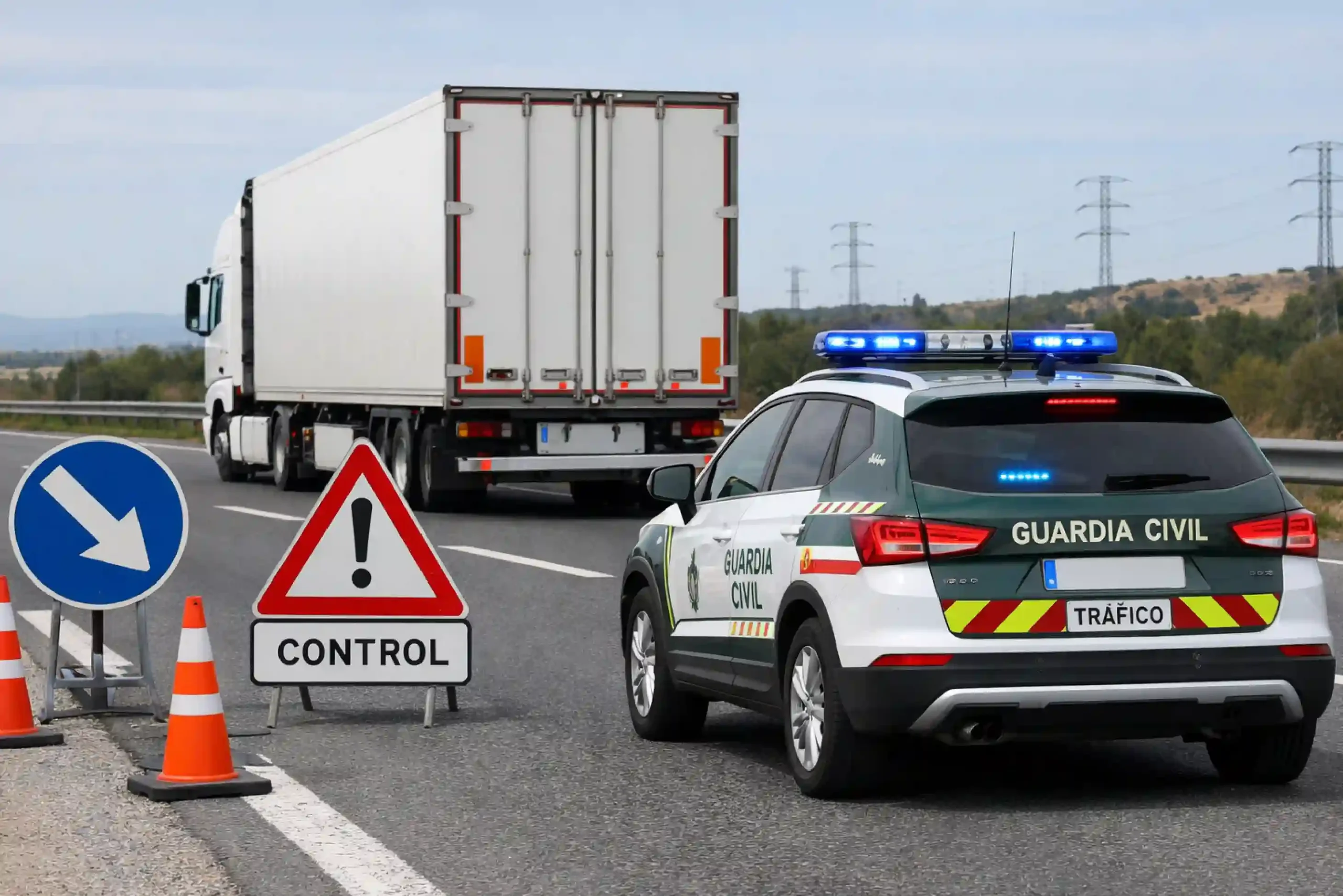
In-transit verification of the Digital Control Document for road transport; what should be taken into account?
The Digital Control Document for road transport represents a breakthrough in terms of efficiency, traceability and security. However, it also generates doubts and concerns, especially due to the fear of…
29 Jan 2026
Frequently asked questions (FAQs) on road transport documents
Numerous road transport documents are used in day-to-day road freight transport: control document, consignment note, CMR, delivery note, stowage form, waybill… All of road transport documents are relevant, but not…

23 Jan 2026
No-code electronic form: efficiency for companies with field operations
For companies operating in the field, achieving high levels of efficiency and competitiveness is an additional challenge, as digitizing processes becomes even more relevant. In this scenario, the electronic form…

22 Jan 2026
Comprehensive digitization of road transport documents: mandatory vs. strategy
The management of road transport documents is going through a key moment. The arrival of the mandatory digitization of the Control Document in October 2026 opens the door to the…