Environmental benefits of improved supply chain visibility and traceability
01 Aug 2024


When we talk about visibility and traceability in the supply chain, we automatically think of operational efficiency.
But did you know that having a supply chain visibility platform also brings significant environmental benefits that allow you to comply with sustainability regulations? We’ll tell you about it!
We already know that digitizing transportation processes and having a Supply Chain Visibility platform is cost-effective, efficient, improves relations between the different agents involved and optimizes the entire operation. All this is thanks to the fact that it generates a scenario in which visibility and traceability are key to obtain complete transparency.
However, a supply chain visibility platform can also be a crucial tool for achieving sustainability goals, both those of the companies themselves and those imposed by the government and Europe.
We must remember that the Green Deal’s main objective is to achieve climate neutrality of the economy by 2050, as well as a reduction of at least 55% of emissions by 2030.
In this regard, it has already been demonstrated that switching to fossil fuels and rejuvenating the transport fleet are not sufficient solutions to achieve decarbonization goals.
Therefore, the digitization of all transportation processes and all links in the chain is of particular importance, as it will reduce the use of paper, optimize fleets and routes and, therefore, optimize the entire supply chain.
With all of the above, a supply chain visibility platform can be a crucial tool for achieving sustainability objectives in a number of ways:
A supply chain visibility tool allows companies to have a complete, real-time view of all links in the supply chain, making it easier to identify unsustainable practices and implement changes to improve sustainability.
Advanced supply chain visibility platforms, such as FIELDEAS Track and Trace, allow tracking and reporting of carbon emissions associated with each stage of the supply chain.
In this way, companies can identify the sources of high emissions and act on them to reduce their carbon footprint.
One of the most recognized benefits of supply chain visibility platforms is the elimination of paper in administrative processes.
In addition, the digitization of transport documentation is also one of the main competitive advantages offered by a visibility platform such as FIELDEAS Track and Trace, thanks to its SeamLess eCMR module, which allows the digitization of the different transport documents, such as the control document, the consignment note, the CMR or the delivery note.
The visibility provided by Supply Chain Visibility allows optimizing transportation routes, reducing empty miles, fuel consumption and helping to consolidate loads. This, in turn, reduces emissions.
Traceability improves control over the location and condition of goods, reducing loss and damage and, therefore, associated waste. In addition, this same traceability and visibility improves accuracy in inventory management, reducing the need for prolonged storage.
Another environmental benefit of improved supply chain visibility and traceability is the efficient use of resources. On this point, traceability reduces the error rate in shipping and delivery, reducing the need for returns and reshipments that increase resource use.
It also allows for better asset management, optimizing their use and extending their useful life.

On the other hand, by taking advantage of all the sustainability benefits that a Supply Chain Visibility platform offers, the company, whether it is a shipper, logistics operator or transport operator, is positioning itself in the market as a sustainable supplier or customer, with the reputational benefit that this entails.
In short, supply chain visibility enables companies to not only identify and correct inefficiencies and unsustainable practices, but also to build a more resilient supply chain aligned with sustainability goals. By providing accurate, real-time data, these platforms are essential for informed decision making that supports environmental and social sustainability.
It is well known that combining different modes of transport in an expedition is efficient, both economically and environmentally.
If we analyze how visibility and traceability help in the multimodal supply chain, we see that these benefits are multiplied, since they allow real-time information on the entire chain, regardless of the mode of transport used.
In this way, inefficiencies are detected at any point in the chain and it is possible to have greater control of emissions, adjust times and optimize operations.
Thus, the most advanced supply chain visibility platforms allow complete visibility and traceability in complex and multimodal chains and, in addition, they do so in a collaborative manner, involving all the actors interested in obtaining this information and who are involved in the operation.
FIELDEAS Track and Trace is the most secure, flexible and advanced Supply Chain Visibility platform on the market and, thanks to real-time information, provides complete visibility of the entire chain, regardless of its level of complexity. This makes it possible to detect points of inefficiency, as well as sources of major contamination, such as transportation.
In this same sense, FIELDEAS Track and Trace already allows the calculation of the carbon footprint associated with transport operations and logistics in general, anticipating the obligation determined by the future Sustainable Mobility Law.


Marketing Manager at FIELDEAS



05 Feb 2026
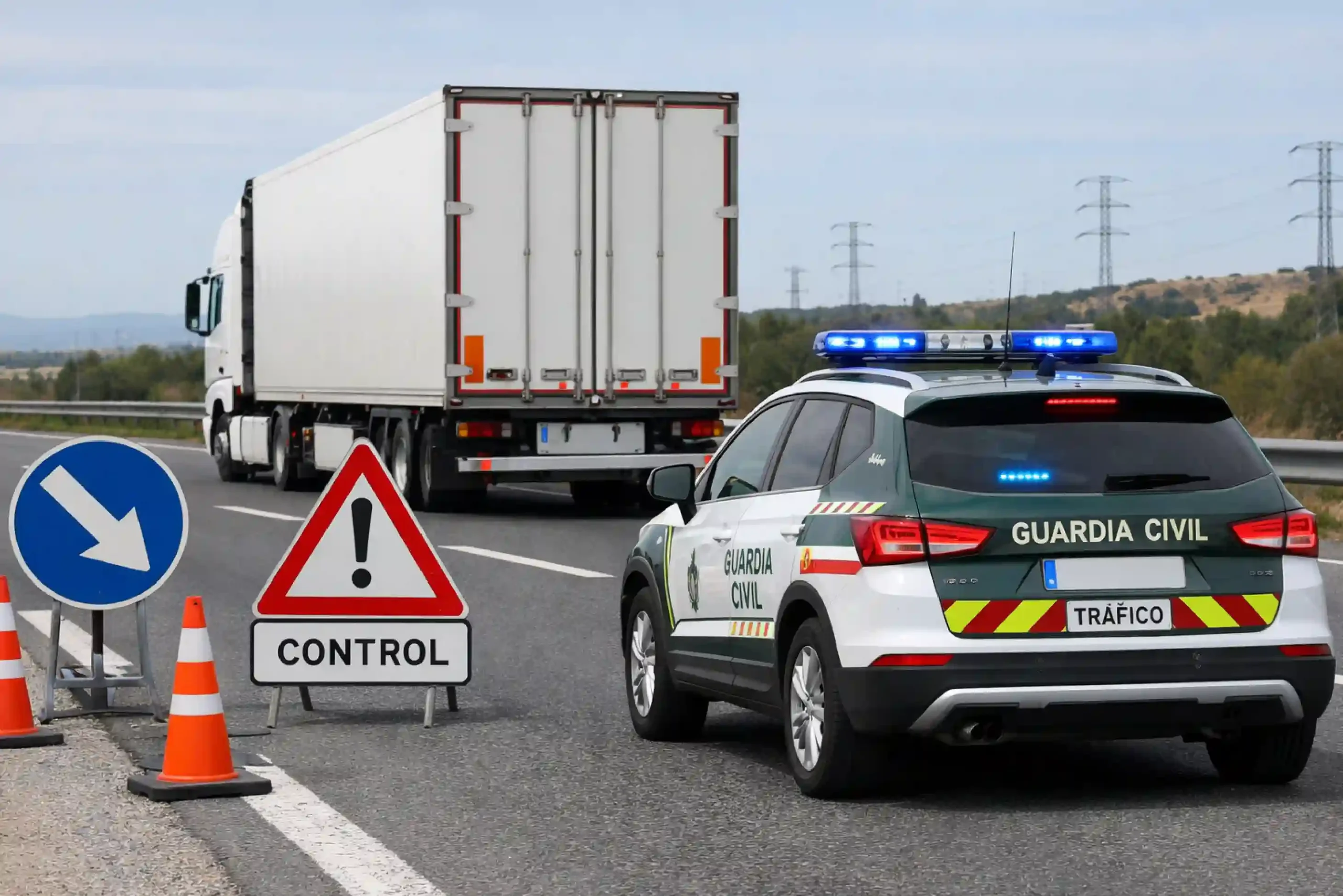
In-transit verification of the Digital Control Document for road transport; what should be taken into account?
The Digital Control Document for road transport represents a breakthrough in terms of efficiency, traceability and security. However, it also generates doubts and concerns, especially due to the fear of…
29 Jan 2026
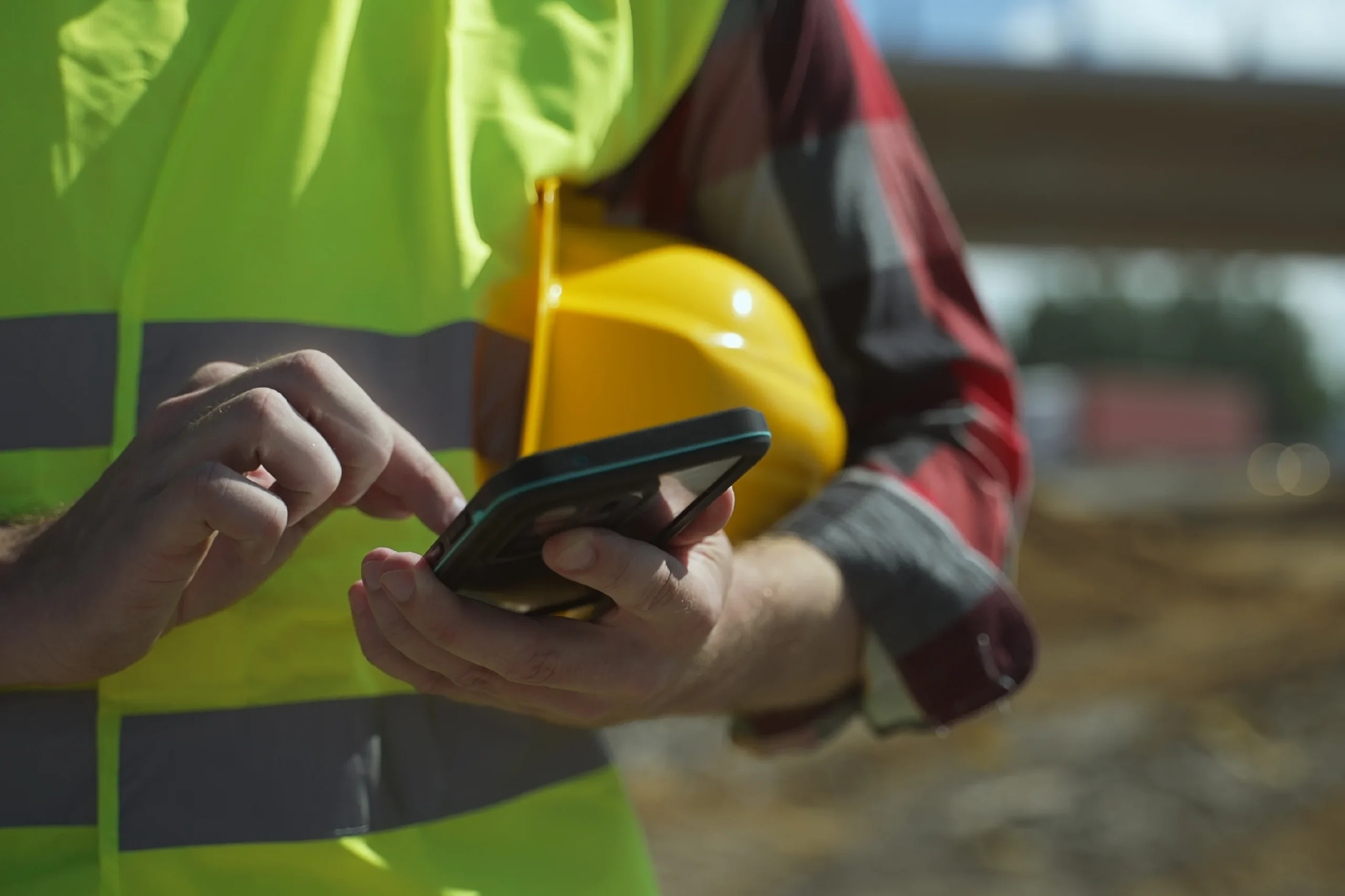
Frequently asked questions (FAQs) on road transport documents
Numerous road transport documents are used in day-to-day road freight transport: control document, consignment note, CMR, delivery note, stowage form, waybill… All of road transport documents are relevant, but not…
23 Jan 2026
No-code electronic form: efficiency for companies with field operations
For companies operating in the field, achieving high levels of efficiency and competitiveness is an additional challenge, as digitizing processes becomes even more relevant. In this scenario, the electronic form…

22 Jan 2026
Comprehensive digitization of road transport documents: mandatory vs. strategy
The management of road transport documents is going through a key moment. The arrival of the mandatory digitization of the Control Document in October 2026 opens the door to the…