eTIR: The success of collaborative digitization in freight forwarding
23 Jan 2025


Although there are not too many examples that demonstrate that public-private collaboration on digitization in transport and logistics is feasible, we cannot overlook the case of the eTIR Regulation.
The eTIR system is a clear example of how collaboration between different stakeholders can drive the digital transformation of freight transport with tangible results.
This system, which digitizes customs transit, demonstrates that international cooperation is key to optimizing processes and achieving more efficient global trade.
The eTIR Regulation is the electronic version of the global customs transit system or TIR (Transit International Routier or Transport International Routier).
As explained by the Association for International Road Transport (ASTIC), eTIR, which the United Nations (UN) and the International Road Transport Organization (IRU) launched on May 25 when Annex 11 of the TIR Convention entered into force, allows all contracting parties to carry out cross-border TIR transports by electronic data exchange, without the use of paper TIR Carnets.
This translates into paperless cross-border transport of goods, vehicles and containers in 77 countries on five continents.
Electronic TIR allows Customs to receive advance information from the transport professional’s declaration so that they can perform risk analysis and, ultimately, speed up border crossings and reduce costs.
The TIR Regulation was born in 1949 from the IRU’s initiative to help Europe after World War II to revive its trade relations, explains ASTIC.
Its aim was to breathe new life into Europe’s war-torn trade links by facilitating the transit of people and goods.
To this end, an alliance of national passenger and freight road transport associations from eight European countries was formed, which secured representation of this industry in the newly created United Nations Economic Commission for Europe.
By 1959, the success of the TIR system, which significantly reduced waiting times at customs, led to the TIR (Transporte Internationale Routier) Convention, which was updated in 1975 to cover container transport and came into force in 1978.
At present, according to United Nations data, the TIR Convention has 77 contracting parties worldwide, including Spain and the entire European Union.
According to IRU, TIR has been facilitating and securing international road transport and trade for more than 60 years. Thanks to it, vehicles and cargo containers with customs seals can transit countries without being checked at borders.
In other words, this international customs regime facilitates the transport of goods across borders, minimizing customs controls at intermediate borders.
It operates under a series of principles and procedures that guarantee transport safety and efficiency.
With the digitization of customs controls, this whole process is simplified and streamlined, as customs will have the vehicle and merchandise information in advance.
We can state unequivocally that the eTIR Regulation is a success story of collaborative digitization.
The supporting reasons are:

The success of eTIR as an example of collaborative digitization offers valuable lessons and a strong impetus to advance the digitization of transport documentation, especially with the implementation of the eCMR or electronic consignment note.
Both eTIR and eCMR share similar objectives, such as:
These similarities make the eTIR experience particularly relevant to further progress in the widespread adoption of eCMR.
In summary, the success of eTIR in the collaborative digitization of the TIR system provides a model and motivation to move forward in document digitization with eCMR.
Lessons learned in interoperability, legal framework, industry acceptance and the achievement of similar objectives are crucial for a successful implementation of eCMR.
All in all, it can be said that eTIR paves the way for eCMR, demonstrating the value of collaboration and digitization in the transportation sector.


05 Feb 2026
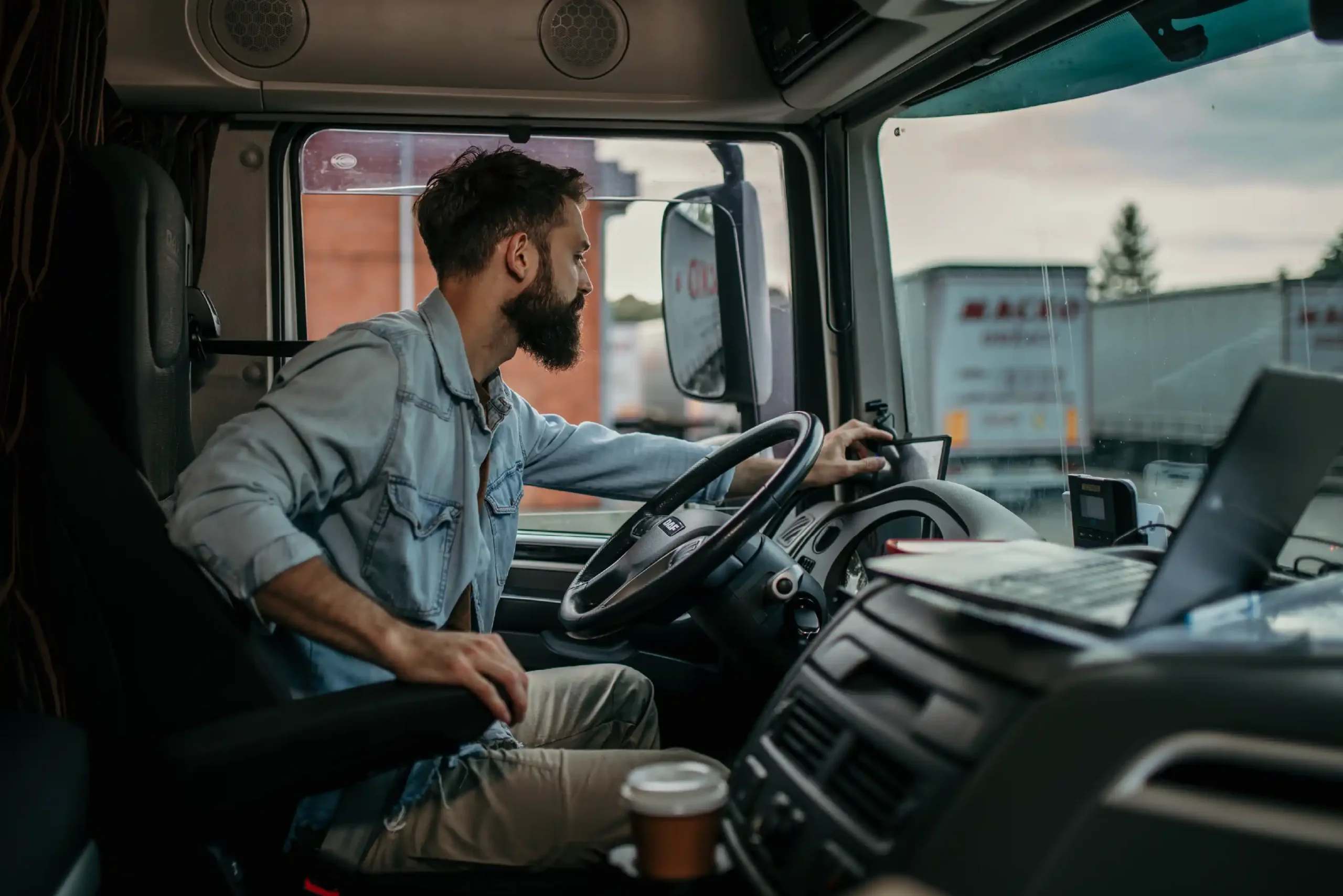
In-transit verification of the Digital Control Document for road transport; what should be taken into account?
The Digital Control Document for road transport represents a breakthrough in terms of efficiency, traceability and security. However, it also generates doubts and concerns, especially due to the fear of…
29 Jan 2026
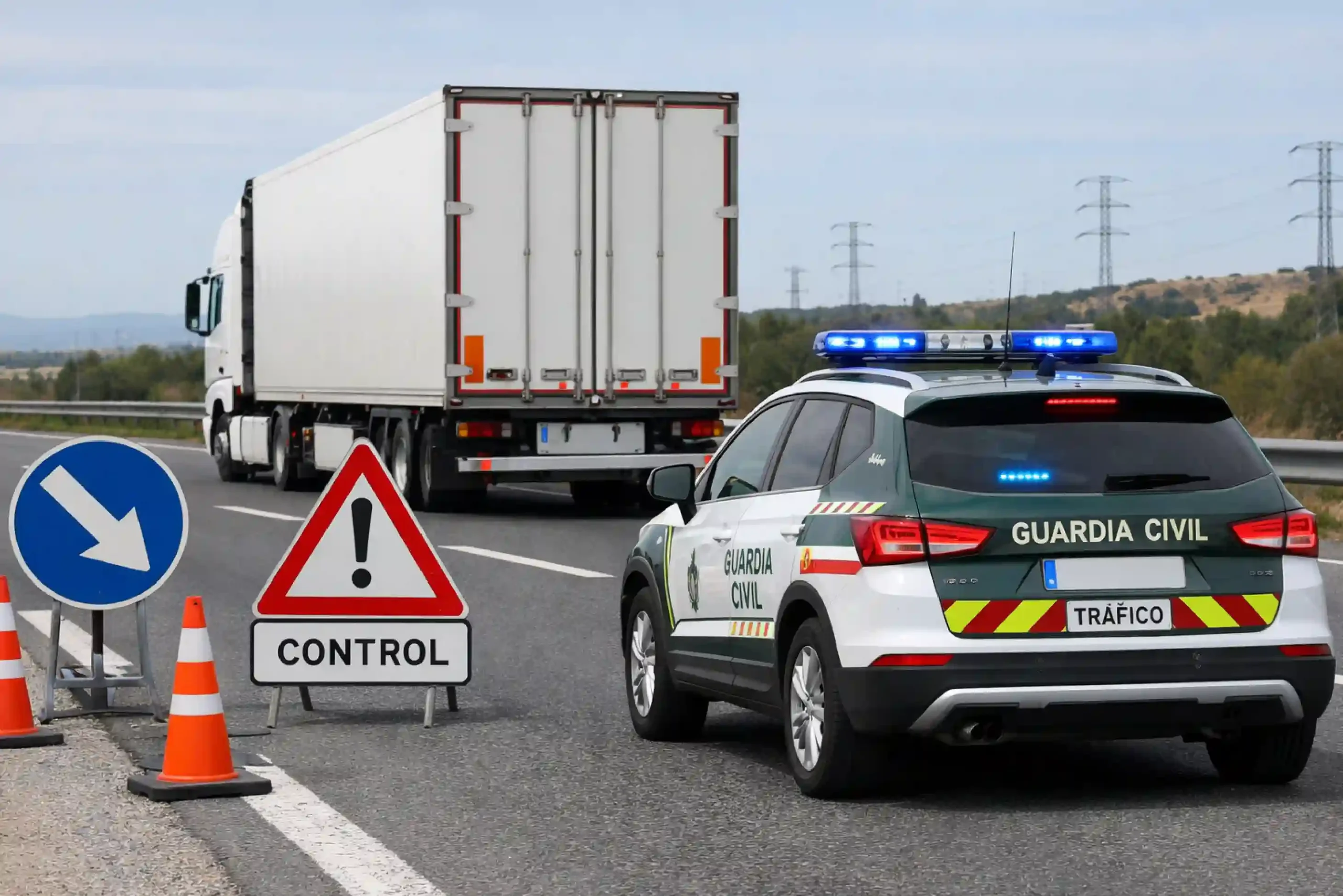
Frequently asked questions (FAQs) on road transport documents
Numerous road transport documents are used in day-to-day road freight transport: control document, consignment note, CMR, delivery note, stowage form, waybill… All of road transport documents are relevant, but not…

23 Jan 2026
No-code electronic form: efficiency for companies with field operations
For companies operating in the field, achieving high levels of efficiency and competitiveness is an additional challenge, as digitizing processes becomes even more relevant. In this scenario, the electronic form…

22 Jan 2026
Comprehensive digitization of road transport documents: mandatory vs. strategy
The management of road transport documents is going through a key moment. The arrival of the mandatory digitization of the Control Document in October 2026 opens the door to the…