How is blockchain influencing logistics operations?
24 Mar 2020
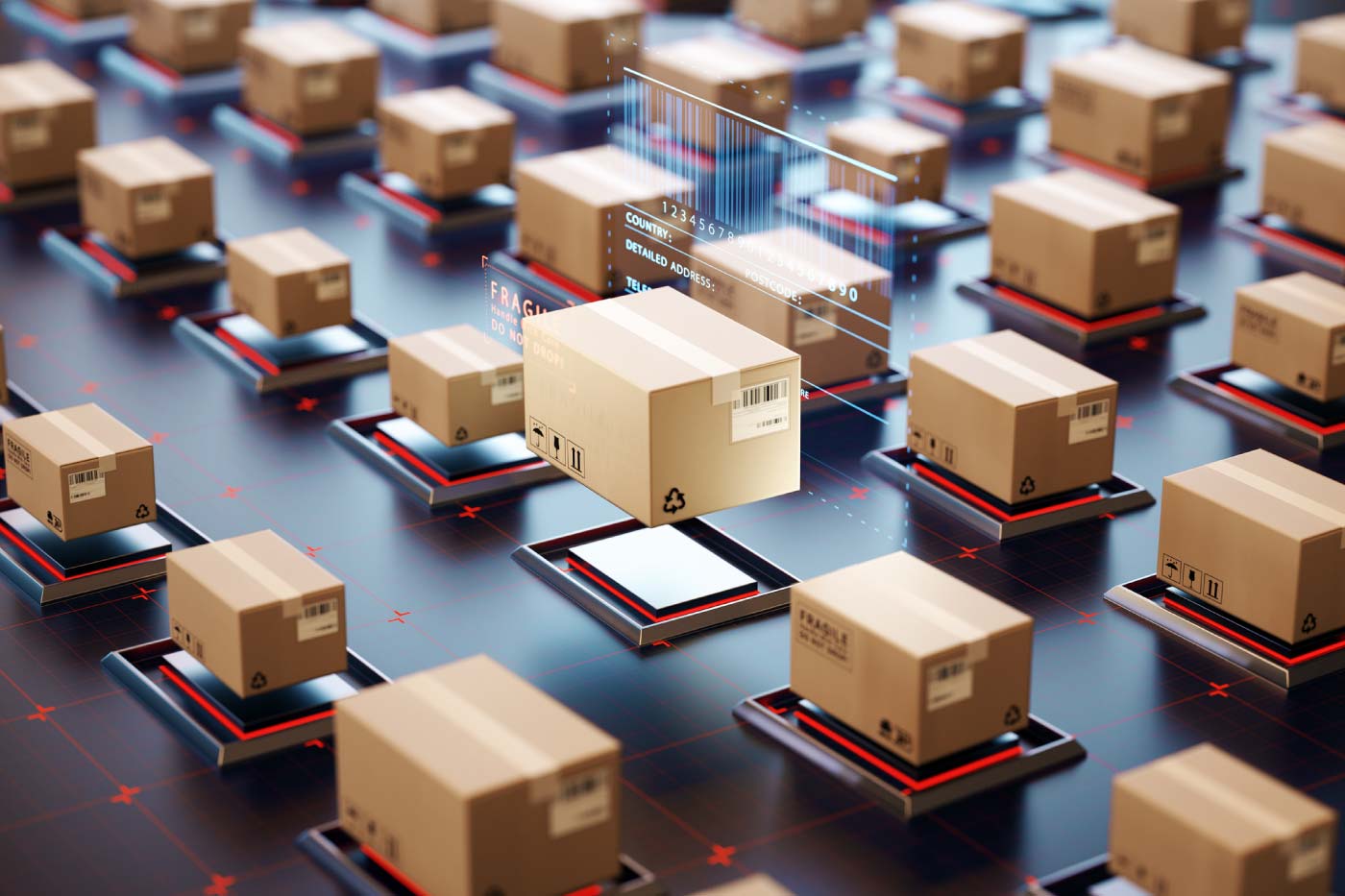


The blockchain is a technology that has helped transform current business models. You may have been hearing about blockchain for some time and that it has brought about a revolution in the economy and is key to the future of business. But if we also talk about the logistics sector, the impact of blockchain will be very high, and this is what we are going to talk about in this article.
Blockchain technology runs cryptocurrencies such as Bitcoin, but it can be used in different fields such as logistics. With the blockchain , transactions are guaranteed and there is greater transparency, companies trust each other and collaborate with more confidence.
In order to understand how the blockchain works, you need to know that it is a set of computers that are connected to each other and use a common protocol to validate and store the same information. This is where transactions between computers on the network are recorded.
The blockchain is a system where, every time someone enters new data, the information is transmitted to the computer network for individual validation. Therefore, this system does not need anyone external to verify its operation, but each computer is in charge of keeping the data and checking them.
It is a technology that appeared relatively recently, but it has proven its effectiveness in supporting financial operations, so more and more logistics companies have begun to include it in the processes involving the use of networks.
One of the most important uses of blockchain within the logistics field is that, thanks to this system, smart contracts, also known as “Smart Contracts”, can be made. Within logistics, blockchain has different uses whether for land transport, traceability or international trade.
Different agents are involved in international trade, which generates a multitude of documents. Thanks to the blockchain, a secure network between all parties involved in the supply chain process is achieved. In this way, the authenticity of electronic documents is validated on the spot, without the intervention of a third party.
In addition, this system benefits the elimination of paper, allowing the management of documentation and payments from a single channel. In this way, communication errors are reduced and paperwork is reduced because there is a reliable, solid and highly secure source of data.
The main benefit of this system for road transport is that collaborative networks can be established without the need for intermediaries. If we focus on the practical level, by applying blockchain in logistics we create virtual spaces and platforms for shippers to receive orders directly from carriers without intermediaries.
At the same time, the blockchain facilitates the management of cargo from anywhere in the world. In addition, there is the possibility of making “Smart Contracts”, which reduces the risk of default and non-payment.
Thanks to blockchain technology, the status of a product can be recorded in real time, no matter what stage of the logistics chain it is in and who is handling it. An example could be the transport of fruit, for which a digital fingerprint can be created for each consignment that is available to transport participants. This footprint can include a wide variety of data, such as temperature or treatments that have been performed on it.
As can be seen, blockchain is a technology that has arrived in the logistics sector to stay and for companies to take advantage of all the benefits that this system offers them. At FIELDEAS we are committed to technological trends such as blockchain and how it can help companies and businesses to improve their processes.

Marketing Manager at FIELDEAS



24 Feb 2026
Moeve Chemicals’ Track and Trace project wins the National Industry Award “Well done in Spain”
The VIII National Congress of Industry has awarded the National Industry Award “Well Made in Spain” to the Track and Trace Project of Moeve Chemicals in the category of Environmental,…
19 Feb 2026
New era of the road: digitalization of transport documents in the Sustainable Mobility Act and the eFTI Regulation
The digitalization of road freight transport documents is a reality that can no longer be denied. The final approval of the Sustainable Mobility Law and its entry into force in…
12 Feb 2026
The 6 essential data of the road freight transport control document
The road transport control document data is the key point of the digitalization required by the Sustainable Mobility Act. This means that beyond the format and the design or title…

05 Feb 2026
In-transit verification of the Digital Control Document for road transport; what should be taken into account?
The Digital Control Document for road transport represents a breakthrough in terms of efficiency, traceability and security. However, it also generates doubts and concerns, especially due to the fear of…