Transport data integration: second-generation smart tachograph and the eCMR
03 Jul 2024
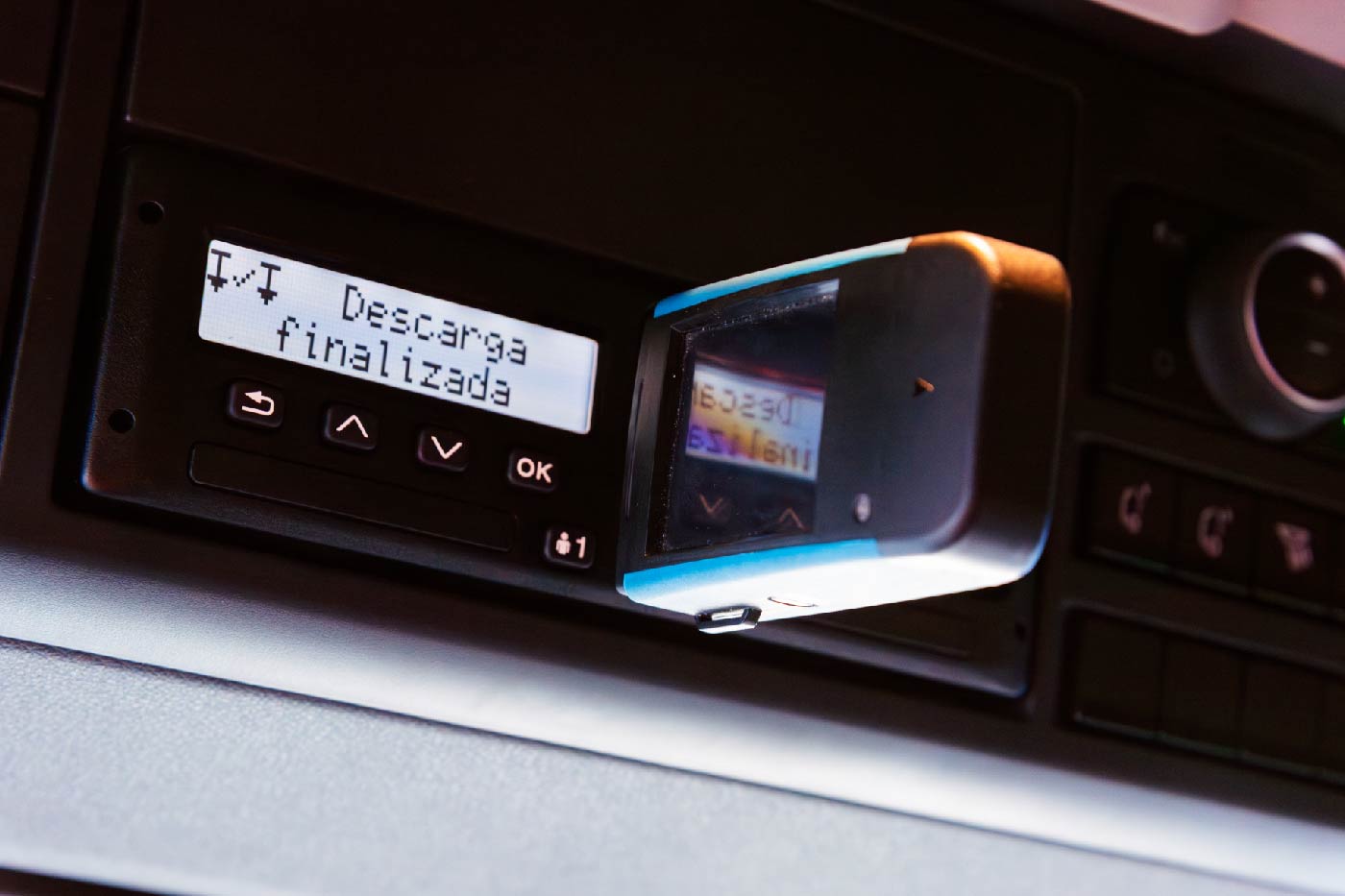


Road freight transport is undergoing major changes in terms of digitalization, especially with regard to the second-generation smart tachograph and the eCMR or electronic consignment note.
Both technologies are set to improve efficiency and transparency in transport operations and, moreover, regulations require their use in the short and medium term.
Although they have different regulations and at first glance may seem to be parallel technological solutions, the fact is that the interoperability between the new tachograph system and the eCMR system brings significant benefits for the transport and logistics sector.
Before detailing these benefits or competitive advantages, let’s recall the regulations surrounding the second-generation smart tachograph (G2V2) and its key dates.
Currently, the legislative framework concerning the tachograph is regulated by Regulation (EC) 165/2014 of the European Parliament and of the Council of 4 February 2014 on tachographs in road transport.
However, the European Union’ s (EU) Mobility Package includes Regulation (EU) 1054/2020, which amends Article 3.4 of Regulation (EU) 165/2014, where the deadlines for the implementation of the second generation smart tachograph version are set:
In the post “eCMR in Spain, regulation and time horizons” we analyzed the regulations and deadlines for the electronic transport document.
The main objectives of the second-generation intelligent tachographs are to increase road safety, improve drivers’ working conditions and protect fair competition. To this end, it has a series of technological advances that bring significant improvements:
The second-generation smart tachographs include an enhanced GNSS (Global Navigation Satellite System) module, which provides more accurate and reliable vehicle location. This allows for more accurate tracking of the route and driving and resting times, as well as automatic recording of border crossings.
The tachograph automatically records the vehicle’s location at the beginning and end of the working day, as well as every three hours of accumulated driving time.
The ITS (Intelligent Transport Systems) interface – mandatory in this new version – makes the new tachograph compatible with intelligent transport systems, facilitating integration with other devices and fleet management systems.
This allows for more efficient and real-time data exchange between the vehicle and the infrastructure. In addition, if the regulations change in the future, it will simply be necessary to upgrade the software without having to change the hardware.

The ITS interface allows fleet managers to access accurate and up-to-date data on driving and resting times, helping to optimize planning and operational management. In addition, it has increased driver card memory from 28 to 56 days, providing greater visibility for fleet management.
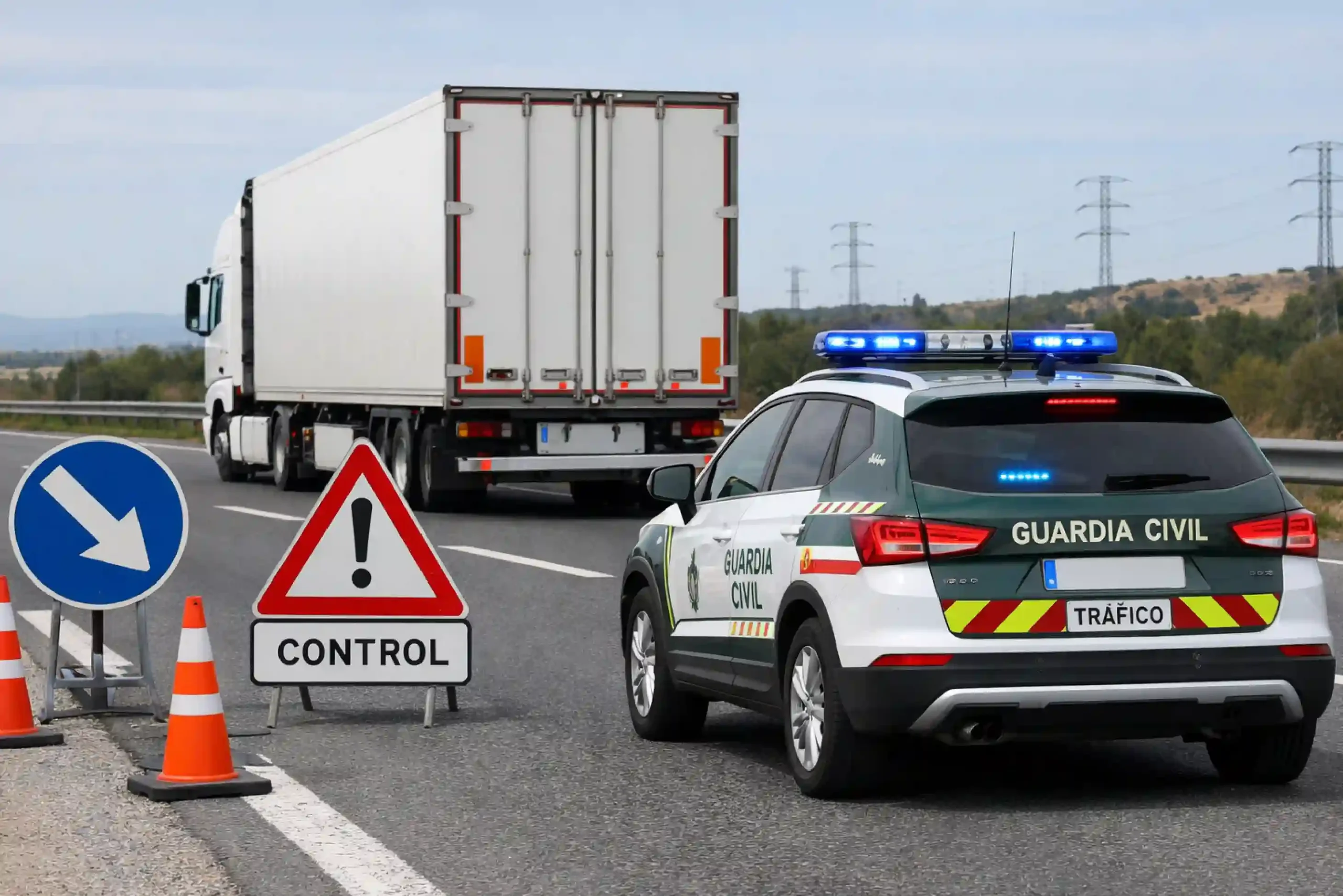
DSRC (Dedicated Short-Range Communication) technology allows authorities to perform roadside checks more efficiently, as they can access tachograph information without stopping the vehicle, remotely, and with access to more data than in previous versions. This streamlines inspection processes and reduces downtime for drivers.
The second generation tachograph uses advanced encryption methods to protect recorded data and prevent tampering. This includes securing the communication between the tachograph and other devices. With enhanced security measures, the risk of fraud and manipulation of tachograph data is significantly reduced.
The tachograph interface has been improved to be more intuitive and user-friendly for drivers. The system can provide alerts and notifications to help drivers comply with legal requirements, such as mandatory rest times.
Second-generation tachographs allow remote software upgrades, facilitating the implementation of improvements and new functionalities without the need for manual intervention.
Companies must download driver card data at least every 28 days and tachograph data at least every 90 days and must retain the data for at least one year. With this new version, this process is automated.
The automatic data download is facilitated by a secure remote connection, which allows the competent authorities and transport companies to access the tachograph data without the need for direct manual intervention. This reduces the administrative burden and helps ensure compliance with transport regulations.
Another of the main benefits of the second-generation intelligent tachograph that we have not mentioned in the previous section is the compatibility with the eCMR solution and other modules such as fleet management, route optimization or slot management.
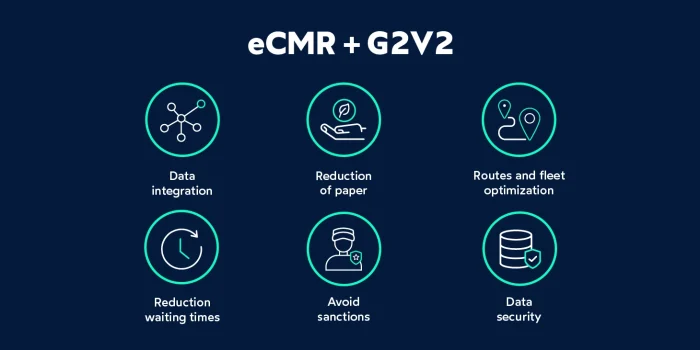
One of FIELDEAS Track and Trace ‘s main competitive advantages is its ability to integrate with any other technological solution that serves as a data source. In the case of the tachograph, the SeamLess eCMR system can absorb the information from the tachograph solution and can use the data to fill in the information required for in-transit verification, for route and fleet optimization, and for optimized loading and unloading dock management, among other things.
In summary, the joint implementation of the second-generation intelligent tachograph and eCMR brings a number of benefits ranging from improved operational efficiency and cost reduction to regulatory compliance and fraud prevention. Interoperability between these technologies allows for more integrated and effective management of transport operations.
The management of electronic control documents and the second generation intelligent tachograph system are the first two categories of eligible actions of the aid for the digitalization of the transport sector, known as Cheque Moderniza.
Moreover, as has been repeatedly stated by the Ministry of Transport and Sustainable Mobility, these two items have been the most demanded, highlighting the installation of the tachograph, which demonstrates the strategic value of both technologies for the sector.
FIELDEAS is one of the Modernization Solution Providers adhered to the aid program of the Ministry of Transport and Sustainable Mobility, which gives confidence and regulatory guarantee to its eCMR solution.
Thus, the FIELDEAS Track and Trace SeamLess eCMR enables integration with the second-generation intelligent tachograph system, in line with its commitment toflexibility, visibility, efficiency and sustainability.

Marketing Manager at FIELDEAS


29 Jan 2026
Frequently asked questions (FAQs) on road transport documents
Numerous road transport documents are used in day-to-day road freight transport: control document, consignment note, CMR, delivery note, stowage form, waybill… All of road transport documents are relevant, but not…
23 Jan 2026
No-code electronic form: efficiency for companies with field operations
For companies operating in the field, achieving high levels of efficiency and competitiveness is an additional challenge, as digitizing processes becomes even more relevant. In this scenario, the electronic form…

22 Jan 2026
Comprehensive digitization of road transport documents: mandatory vs. strategy
The management of road transport documents is going through a key moment. The arrival of the mandatory digitization of the Control Document in October 2026 opens the door to the…

15 Jan 2026
How does the digitalization of the control document affect drivers?
The imminent entry into force of the mandatory digitalization of the control document has led to a flood of doubts and questions that are gradually being resolved. We always talk…