Artificial Intelligence in route management
Maximum traceability, Minimal interaction
06 Feb 2019
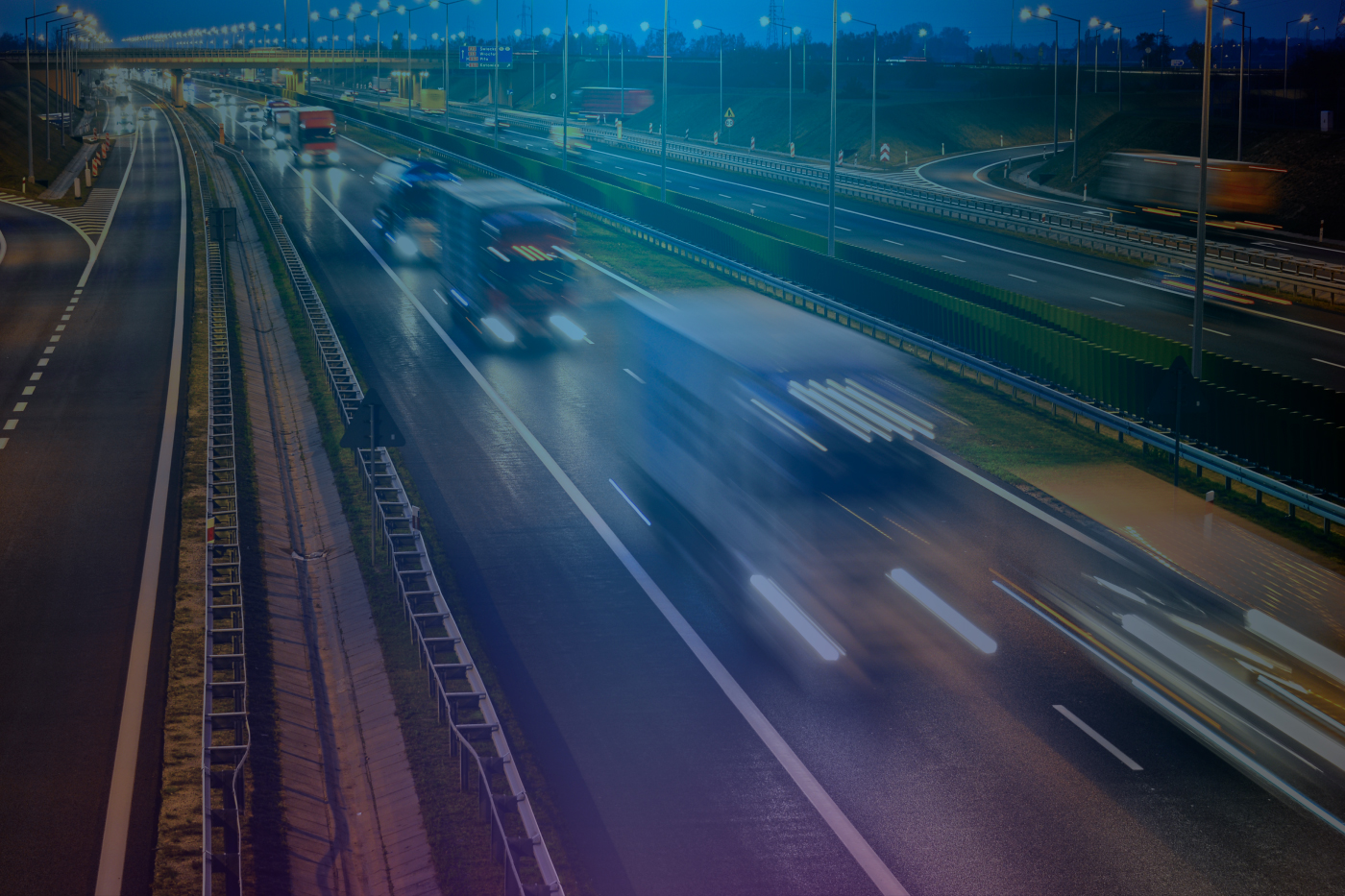


Artificial Intelligence solutions allow us to optimize each of the phases that make up the logistics value chain. The application of algorithms and the processing of data in an orderly manner enable smooth, accurate decision-making adapted to different demand scenarios.
Today, the application of AI to route management and the efficient control of transport operations is bringing about a revolution.
Artificial intelligence (AI) is the intelligence exhibited by machines. An ideal “intelligent” machine is a flexible rational agent that perceives its environment and carries out actions that maximize its chances of success.
It is the perfect combination between the application of algorithms and data processing. In fact, contrary to what one tends to think, the adequacy of mathematical techniques for the optimization of the transportation process could be considered 20% of the success of decision making. While data processing, more specifically the collection of quality data, would account for 80% of the success in the freight transport in every type of scenario.
In order to obtain effective solutions adapted to the transport process, it will be necessary to know each of the possible scenarios and the objectives to be achieved. By collecting data and applying the appropriate mathematical operations, accurate decisions will be made automatically.
The role of Artificial Intelligence is to provide effective solutions, but also adapted to the time available. And this is especially important in a sector such as transportation, where time plays a fundamental role in the evaluation of the final result. An efficient Artificial Intelligence solution is useless if it is not fast at the same time. A mathematical result will only be valid if the decision is made immediately.
For an efficient management of a company’s freight transport , it would be advisable to apply an algorithm that has the capacity to affect the entire production chain. This includes everything from the machines to the trucks themselves for road transport, from route planning to vehicle automation.
Artificial Intelligence solutions have a direct impact on all aspects that will determine the efficiency of the freight service. Fast, scenario-specific decision making ensures maximum operational efficiency. Optimal sizing of operations will reduce delays, for example.
But beyond the improvement of the transport of goods in each of its phases, the real Artificial Intelligence revolution for the sector comes with the decision making aimed at providing a better user experience. In line with the aforementioned reduction in delays, on-time delivery of goods will help achieve maximum customer satisfaction. But punctuality is not the only factor that makes total satisfaction possible. It will be the approach and subsequent execution of solutions adapted to each type of customer. And this will be achieved with proper data processing.
Data knowledge accounts for a high percentage of the success of the application of Artificial Intelligence to freight transportation. This market behavior data will be fundamental, for example, to protect the company against any type of threat or change in market needs thanks to anticipation.
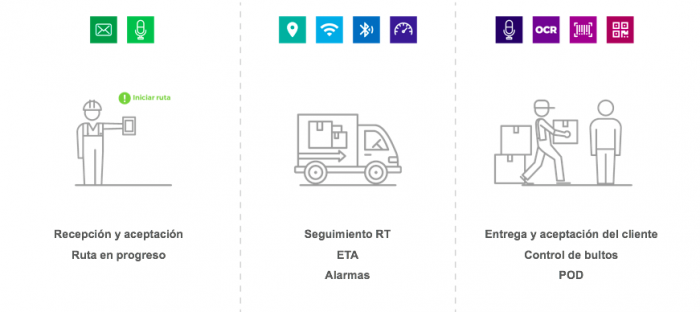
In the field of route management, artificial intelligence in mobility consists of taking advantage of and capturing context information, processing it and using “intelligent” algorithms to determine the events linked to the operation. Combined with other technologies such as voice or character recognition, the highest level of traceability is achieved through simple and timely user interactions.
Each phase of the logistics chain where decision making is necessary will be suitable for the application of an Artificial Intelligence solution. This will be better understood through some examples.
These solutions will enable the maximization of each truck in a company’s vehicle fleet for the optimization of road transport. At the same time, the service offered by carriers will be improved thanks to the sophistication of their work through organization, simplification and the integration of technology. And all this will lead to reduction of delivery times and incidents on the routes.. Route monitoring, shipment tracking and real-time forecasting of incidents on roads and at rest stops are now a reality.
Another example of the important role of these techniques is the possibility of knowing the levels of demand for each product and making a decision accordingly. Market conditions (seasonality, risks, economic parameters) will be assessed to determine the application of the necessary algorithms in each case.
This in turn will allow for the optimization of purchases. Depending on the demand forecast, the characteristics of the suppliers and the available alternatives, a decision will be made on the supplier, the number of trucks to be used, the quantity of goods to be transported and the dates of performance. Artificial Intelligence will provide an optimal solution.
An intelligent solution for stock organization will also influence the transport of goods. In this aspect, an Artificial Intelligence solution will value the inventory in its entirety to plan and determine the movements to be made to maximize sales and meet the needs of the user.
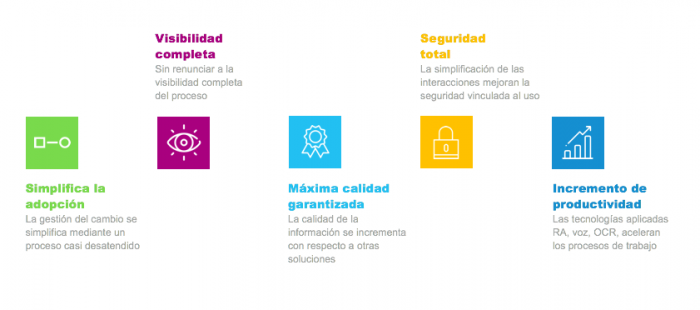
Artificial Intelligence solutions play a key role for freight transportation. However, it will be the joint management of the entire logistics process in its various independent phases that will enable companies to achieve their objectives, which are none other than reducing costs and lead times, minimizing risks and optimizing results.
How do you get FIELDEAS improve and transform the transport of goods? Our job is to provide intelligent solutions for the efficient management of carriers, route management, incident management and vehicle and goods safety, among other strategies aimed at optimizing the entire logistics process as a whole.
We revolutionized T&T with the AI module, simplifying carrier tracking.

Marketing Manager at FIELDEAS



05 Feb 2026
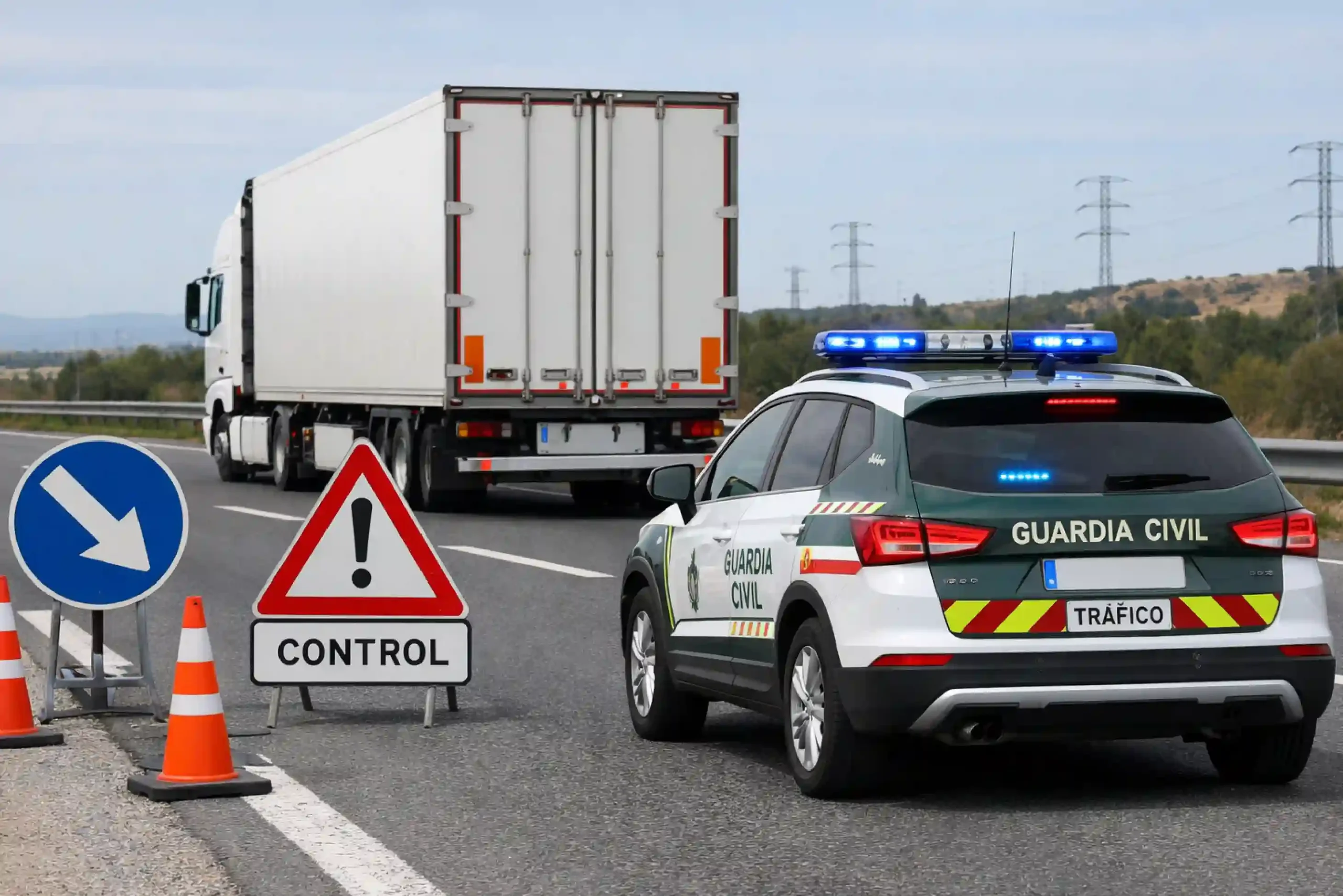
In-transit verification of the Digital Control Document for road transport; what should be taken into account?
The Digital Control Document for road transport represents a breakthrough in terms of efficiency, traceability and security. However, it also generates doubts and concerns, especially due to the fear of…
29 Jan 2026
Frequently asked questions (FAQs) on road transport documents
Numerous road transport documents are used in day-to-day road freight transport: control document, consignment note, CMR, delivery note, stowage form, waybill… All of road transport documents are relevant, but not…

23 Jan 2026
No-code electronic form: efficiency for companies with field operations
For companies operating in the field, achieving high levels of efficiency and competitiveness is an additional challenge, as digitizing processes becomes even more relevant. In this scenario, the electronic form…

22 Jan 2026
Comprehensive digitization of road transport documents: mandatory vs. strategy
The management of road transport documents is going through a key moment. The arrival of the mandatory digitization of the Control Document in October 2026 opens the door to the…